Tomato Archive Project
Document ripening timelines, flavor traits, and seed viability across multiple tomato varieties for future seasons.
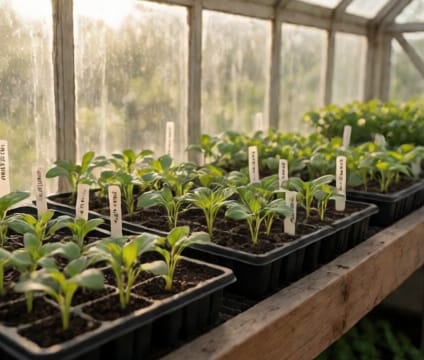
Select several open-pollinated or heirloom tomato varieties with distinct characteristics—for example, beefsteak, cherry, and paste types—to ensure meaningful comparison. Plant them in the same location with identical care so differences reflect genetics, not conditions. Use labels with variety names and sowing dates, and record key development milestones—first flower, first fruit set, and first ripe fruit—for each plant in a waterproof journal.
As fruits mature, note skin thickness, firmness, color transition timing, and aroma before harvest. Harvest when fully colored but still slightly firm for flavor comparison, and let fully ripe specimens soften indoors for a second tasting session. For seed saving, scoop pulp into a jar with water, ferment for a few days, rinse, and dry on glass trays away from sunlight. Store in labeled paper envelopes once thoroughly dry.
Compare flavor notes—sweetness, acidity, earthiness—using a simple scale like mild, balanced, or intense. Record ripening duration from green to full color and note disease signs such as blight or catfacing. By season’s end, you’ll have data to refine variety choices, improve planting timing, and share with seed-saving networks. Keep dried seeds and notes together in a binder for quick reference each winter.