Pollinator Pocket Garden
Design a compact native plant patch that supports bees, butterflies, and beneficial insects across seasons.
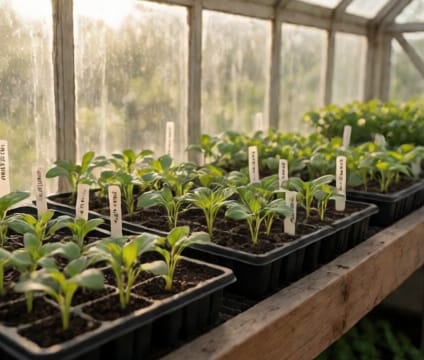
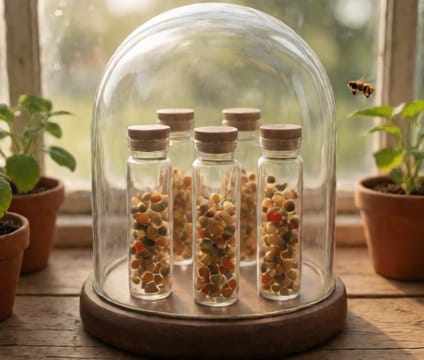
Choose a location receiving at least four hours of sun and with easy water access. Clear weeds and top 2 inches of soil, then amend with compost if drainage is poor. Use a native wildflower mix containing several species flowering in early, mid, and late season—such as purple coneflower, milkweed, and goldenrod. Space plants according to mature size, and add a shallow dish with pebbles for water access by pollinators.
Water deeply at planting and keep soil evenly moist until established. Avoid fertilizers, especially high-nitrogen ones, which favor leaf over flower growth. Monitor for aphids or spider mites; a strong spray of water often suffices. Let some plants go to seed late in the season to feed birds and replenish the patch naturally.
Mulch lightly with straw or shredded leaves after first frost to protect roots. Leave standing stems through winter for overwintering insects and add new seedlings in spring where self-sowed. In fall, note which species attracted the most visitors and adjust ratios next year. This garden evolves with minimal maintenance while providing continuous forage for native pollinators.