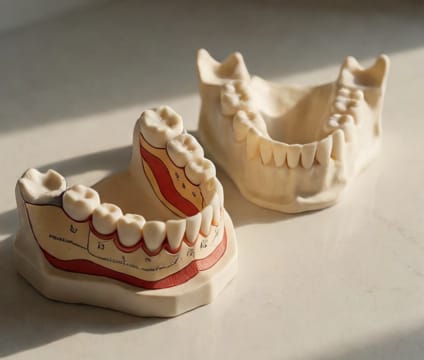
Implant Types by Anatomy
Endosseous implants anchor directly into jawbone, while subperiosteal and zygomatic options serve patients with limited bone volume.
Read more →Dental implants are highly predictable, but their success hinges on matching the right implant type to your bone structure, choosing a qualified specialist, and understanding the realistic timeline ahead. This guide cuts through marketing noise to give you precise, evidence-based facts—no pressure, just clarity to prepare you for your first consultation.
Endosseous implants anchor directly into jawbone, while subperiosteal and zygomatic options serve patients with limited bone volume.
Read more →
Success rates decline with less specialized training, making provider expertise a major factor in long-term implant outcomes.
Read more →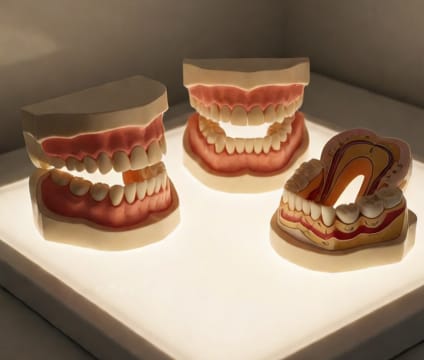
While healing varies by individual, most implant workflows span 4–6 months from surgery to final crown placement.
Read more →Too many patients proceed with implants after one opinion—often without reviewing their CBCT scans or considering alternatives like bridge vs. implant vs.…