Community Seed Banks
Hyperlocal seed-sharing networks distribute regionally adapted heirloom stock, often at no cost or through seed barter.
Community seed banks operate at the neighborhood or county level, often run by gardening clubs, libraries, or nonprofits. They collect, store, and redistributes seeds saved by local growers—many of which have been acclimated over years to thrive in that specific microclimate. Checking in during planting season yields access to varieties that have proven resilient in your area without needing external trial and error.
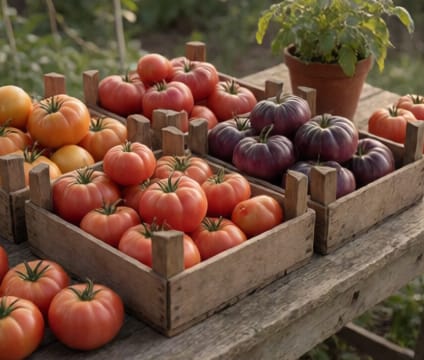
These banks typically emphasize open-pollinated, non-hybrid tomatoes, ensuring seeds save true to type year after year. Many maintain regional collections like the West Virginia 63 or costoluto types known to perform well in certain zones. Access may require membership, a seed donation in return, or simply a visit during distribution hours—always confirm policies ahead of time.
Because these seeds are grown in situ, they carry local adaptations—thicker skins in rainy climates, earlier ripening in short-season areas. Users can also learn on-site from experienced savers, building knowledge about seed selection, cleaning, and storage practices tailored to local humidity and frost dates. This makes them ideal for new growers seeking confidence in their first heirloom season.