Elevated Walkways
Sky-bridges once for workers now guide visitors through layered city views—over alleyways, rooftops, and old rail spurs.
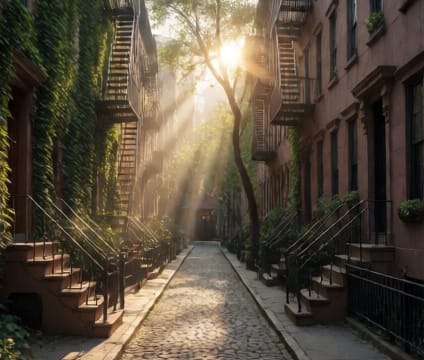
These structures were originally industrial accessories—maintenance corridors, steam pipes, or freight connectors—now retrofitted as pedestrian routes. They rise 20 to 40 feet, flanked by brick, steel, and glass, offering vistas down to street life and up to the sky grid of wires and towers. On clear days, sunlight pools on weathered platforms like liquid gold.
The walkways link pockets of public realm: rooftop gardens, tucked-in plazas, hidden courtyards accessible only via steel stairs. Some pass over quiet garages where doors stay closed most of the day; others hover above murals painted under cover of night. Locals know which sections rattle in the wind, which bends frame the statue just so.
Security here is minimal and implicit—open at all hours but naturally guarded by visibility and community use. Benches face outward, toward the skyline or a specific tree, not inward. Walkways often end in stair towers painted in fading numbers, suggesting forgotten levels now sealed—but sometimes those doors creak open for special viewing days.