Emerging Districts
Vacant storefronts transforming into maker studios, craft kitchens, and micro-galleries—tracked through permit filings and daily street observations.
Look for clusters where building permits for nonresidential renovations have spiked over the past two quarters, especially where old retail spaces now host short-term leases. These areas often emerge near transit spurs or near institutions hosting community workshops—think repurposed warehouses near the waterfront in Brooklyn or older storefronts along avenues with declining chain presence.
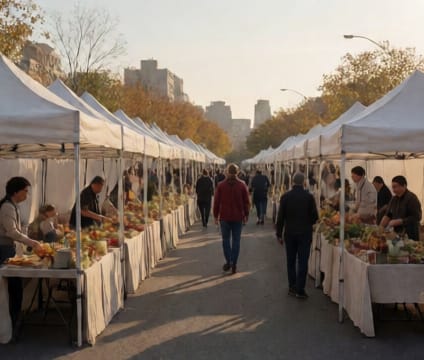
Foot traffic notes from local contributors often reveal early signs: longer dwell times near windows, pop-up signs taped to glass, and the emergence of informal gatherings on sidewalks—especially in the late afternoons. These aren’t yet destinations, but spaces where people linger because something feels in flux, experimental, or quietly communal.
New studio corridors tend to cluster where zoning still allows mixed-use use without triggering expensive re-zoning efforts. Areas with older residential character and modest ground-floor access—like parts of Greenpoint, South Jamaica, or Harlem’s northern blocks—often show the earliest signs, before real estate activity picks up officially.