Neighborhood Hubs
Steady institutions where daily rituals—coffee, sandwiches, people-watching—anchor community life beyond weekend excursions.
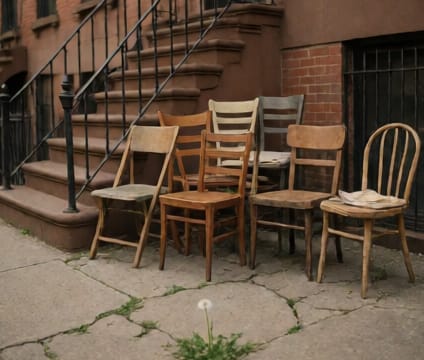
These counters and street-side spots offer continuity through repetition: the same order placed for decades, the same chair pulled out precisely at noon. Regulars arrive not to see or be seen but to participate in a shared rhythm—participating in a language of nods, gestures, and familiar phrasing built over years. They serve as daily punctuation in the neighborhood’s sentence.
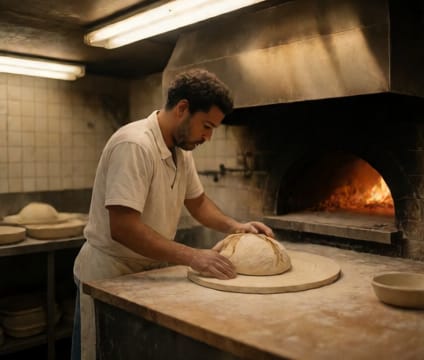
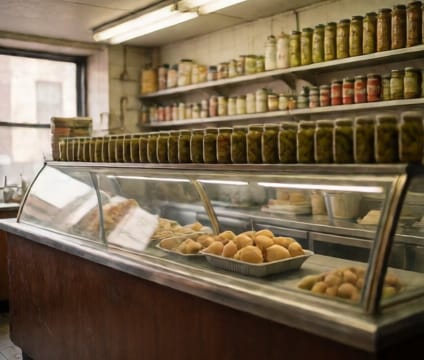
The food is built for function and fidelity—sturdy, repeatable, and tied to what the community actually eats, not what looks good on a plate. Coffee is strong, bread is thick, and sandwiches are wrapped in wax paper or newsprint. The menu rarely changes because consistency is part of the contract between staff and neighbors.
Timing matters: peak hours are predictable, driven by school drop-offs, shift changes, and school bus arrivals. Off-peak minutes offer a different kind of attention—where a barista may pause to ask about an ailing sibling or the local sports team. These spaces breathe with the life of the block.