Utility Landscapes
Heating reliability, water pressure, and service consistency shift by neighborhood due to infrastructure age and building size.
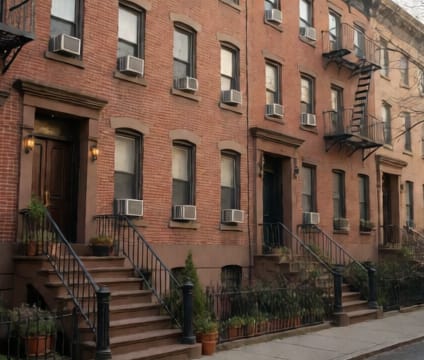
Heating systems in New York vary by building type and borough age. Pre-war buildings in Brooklyn and the Bronx often use steam or hot water radiators fed by individual boilers, prone to seasonal hiccups and uneven heating in top-floor units. Newer high-rises in Long Island City or Hudson Yards typically rely on district energy systems or centralized plants, offering consistent temperature control but limited tenant capability. In neighborhoods like Astoria or Jackson Heights, mid-century buildings may use gas forced-air systems with shared ductwork, where maintenance delays can cascade across floors.
Water pressure issues cluster in older, taller buildings without adequate pumps or pressure-reducing valves. In neighborhoods with combined sewers—like parts of Williamsburg or Greenpoint—summer demand can strain municipal lines, especially in upper floors of buildings over six stories. Queens and Staten Island often have higher municipal pressure due to elevation advantages, while lower-lying areas of Brooklyn near the waterfront sometimes report intermittent sediment or odors during heavy rain. Many older co-ops install secondary tanks or boosters to compensate, but residents report inconsistent pressure during peak hours.
Electrical reliability depends heavily on neighborhood grid upgrades. Areas served by older substations report more localized outages during storms, while newer infrastructure supports higher load capacity for modern devices and EV chargers. Co-ops with shared heat hot water systems often require board decisions to upgrade wiring, causing delays. Tenants should ask about past transformer upgrades or whether the building uses armored cable or knob-and-tube, especially in pre-war constructions, as these affect surge protection and HVAC compatibility.