Housing Patterns
NYC’s residential fabric reveals history in brick and beam—rent stabilization rates and building types vary significantly by borough and age.
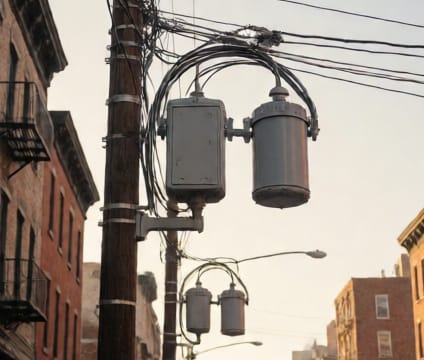
Manhattan’s skyline includes a mix of older rentals and newer market-rate towers, with rent-stabilized apartments typically found in older buildings. Brooklyn shows a more mixed landscape: large swaths of brownstones with long tenancies alongside newer condos and post-war walk-ups. In Queens, mid-century garden apartments and small-scale multifamily buildings anchor neighborhoods, often with lower stabilization coverage than Manhattan. The Bronx retains a legacy of post-war multiple dwellings, while Staten Island features more single- and two-family homes with fewer rent-regulated units overall.
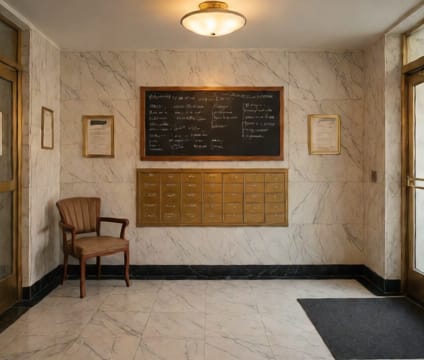
Building types strongly influence both affordability and tenant experience. Pre-war buildings typically offer larger rooms and high ceilings but may lack modern insulation or adequate closet space. Post-war construction prioritizes efficiency—smaller units, tighter layouts, and centralized utilities—while newer towers emphasize amenities over square footage. Brownstones in neighborhoods like Park Slope or Clinton Hill often share a facade style but vary widely in internal layouts and renovation history. Each era also carries distinct maintenance expectations, with older buildings sometimes requiring tenant cooperation for upkeep due to shared infrastructure.
Understanding the era and type of a building helps anticipate lease terms, maintenance responsibilities, and long-term stability. Rent-stabilized units in buildings with 25%+ units receiving tax abatements may be subject to vacancy decontrol, altering renewal outlooks. Co-ops and condos built in the 1980s and 1990s often have different board approval timelines than newer developments. When touring, asking when the facade was last repointed or when the elevator system was upgraded can reveal maintenance culture more reliably than marketing copy.