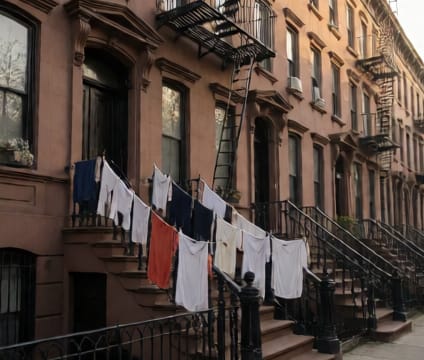
Neighborhood Match
Choosing the right neighborhood means aligning daily routines, tolerance for noise, and social energy with real characteristics—not just rent price.
Begin by defining your baseline priorities: Are you early to bed or night-owled? Do you prefer quiet courtyards or street-level buzz? Walkable neighborhoods like the West Village, Park Slope, or Astoria offer walkability scores above 85 and often blend residential calm with corner bodegas and cafes within a 5-10 minute radius. Consider how much time you’re willing to spend commuting—some residents accept longer subway rides to gain larger apartments or lower rent, but daily travel time compounds quickly in NYC.
Soundproofing and building age often correlate with neighborhood affluence and development era. Pre-war buildings in Brooklyn Heights or Upper West Side may offer thick walls but inconsistent heating; newer developments in Long Island City or Lower Manhattan trade charm for efficiency and silence. Visit potential neighborhoods at different times: weekday afternoons reveal community rhythms, weekends expose nightlife density, and Sunday mornings show local pacing. This helps surface how a neighborhood *feels* beyond brochures.
Think long-term: schools, proximity to parks, and access to grocery stores shape daily satisfaction more than headline rent. Proximity to a major park—like Prospect Park, Central Park, or Flushing Meadows—can mean daily walks or weekend escapes. Look at foot traffic patterns on street-level maps before committing; steady pedestrian flow often signals safety and convenience, while sudden lulls after 8pm may signal isolation. Your first apartment won’t be forever, so pick a base that supports growth.