First Weeks
The first weeks in a new NYC apartment are about building invisible infrastructure: power, water, food access, and local rhythm.
Utility setup requires planning: Con Edison handles electricity and gas in most of the city, but gas may be shut off if no longer needed, and you’ll need a social security number or individual taxpayer identification number to open an account. Water is metered and billed separately only in certain areas—mostly older buildings or specific neighborhoods—so confirm if your lease includes it. Most buildings require you to transfer or set up internet before move-in day, as delays can stall activation for days. Schedule utility connections 3–5 business days before arriving, and keep confirmation codes handy for site visits.
Finding your nearest park or open space is easier than you think: NYC’s Parks Department website maps every playground, dog run, and botanical garden by zip code, and most boroughs have at least one major park within a 15-minute walk in residential zones. Use walking routes that cross through local streets to get a feel for foot traffic, traffic signals, and bike lanes. Check for neighborhood clean-up days or weekend events—many parks host free yoga, movies, or farmers markets in summer that build community quickly.
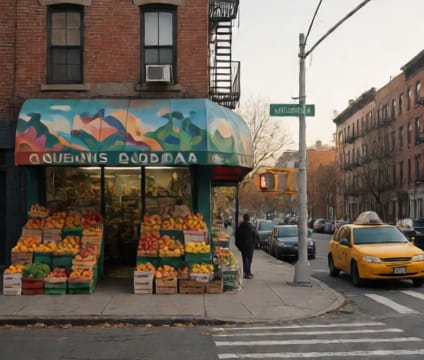
Grocery logistics vary dramatically by neighborhood: some areas have full-service chains like Whole Foods or Fairway just blocks away, while others rely on bodegas, ethnic markets, or co-ops. Bodegas serve as de facto daily grocers for essentials—check for fresh produce corners, which rotate seasonally and sometimes carry imported goods. Look for weekend farmer’s markets near housing or transit hubs. Learn your building’s trash schedule too—some neighborhoods require separation into four streams (paper, metal/glass, organics, garbage), and missing a collection day means holding onto trash until next pickup.