Hear the 20th Century
Archive audio beneath your feet—streetcar chimes, elevator operators’ calls, the buzz of neon being hand-bent.
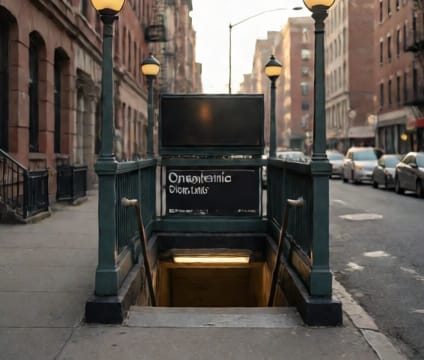
New York’s streets once carried sounds that shaped daily rhythm: brass chimes from elevated rails, tinny radio tests from storefronts, and the clatter of iron shutters rolling down at dusk. Many of these have been preserved in collections like the Museum of the City of New York’s oral history archives, where firsthand accounts and ambient recordings reconstruct vanished sonic landscapes. Touch the sidewalk and hear a tram pass where the 6 train now runs, or find where radio broadcasts from the 1920s once pulsed from rooftop antennas.
This auditory layering helps residents and visitors contextualize neighborhood change—not just through sight, but through sensory memory. A block may feel inert now, but a tap reveals sounds of industrial or media activity that once shaped that area. These sounds anchor stories of migration, labor, and innovation, turning passive walks into immersive encounters with how people lived, worked, and interacted across decades.
The archive is organized by decade and borough, with location-tagged clips keyed to historic soundscapes—like sounds of daily neighborhood life or music from residential buildings in certain areas. Users can filter by medium, event type, or voice, and compare eras to see how noise pollution regulations or zoning shifted the city’s acoustic profile. This isn’t nostalgia; it’s a tool for understanding why certain rhythms faded and how they shaped the city’s character today.