Installations
Upgrading or replacing water heaters, faucets, or appliances requires correct sizing, venting, and code-compliant connections.
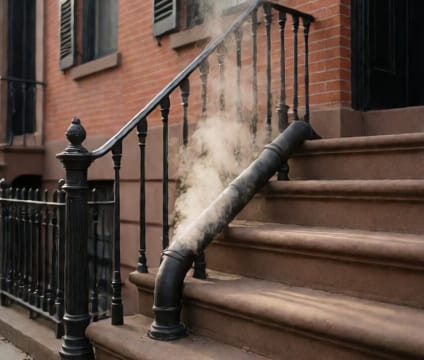
Selecting a new water heater depends on household size, fuel type, and local codes. Tankless models save space and energy but need proper gas line upgrades or electrical capacity. In Boston, venting is critical—high-efficiency units require direct PVC piping to the exterior, not traditional chimneys. Licensed plumbers verify clearances, install sacrificial anodes, and test for leaks and proper drainage to prevent water damage in tight utility spaces.
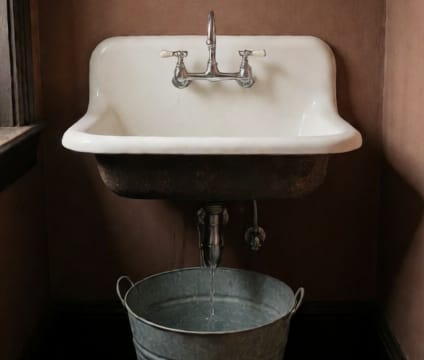
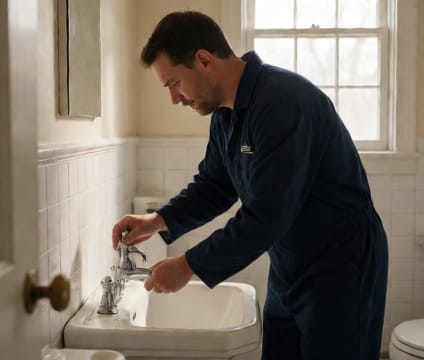
Fixture installations must match existing rough-ins. Older Boston homes often have 4-inch center mounts or brass adapters incompatible with modern fixtures. Plumbers check shutoff valve function, align supply lines, and use appropriate sealants to avoid leaks under sinks. Tile or stone surrounds require careful mounting to prevent cracking—common in historic neighborhoods where tilework is delicate.
Dishwasher installations involve connecting water supply, drain lines, and ensuring proper backflow prevention. Many built-in units require specific clearance under countertops or modifications to existing cabinets. Plumbers verify drain connections to the garbage disposal or air gap, test for leaks under full cycle operation, and confirm electrical safety—especially where kitchens were rewired in mid-century renovations.