Emergency
Burst pipes, sewer backups, or sudden loss of hot water demand immediate response to prevent major property damage.
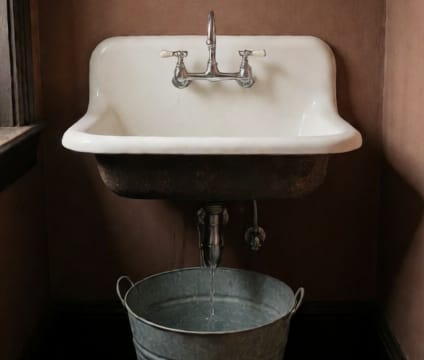
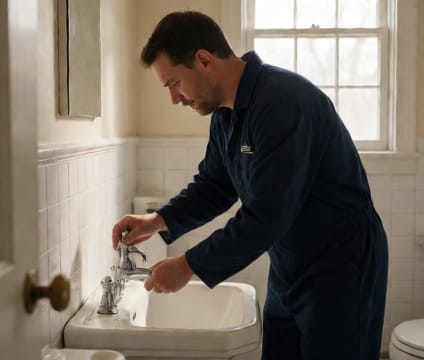
A burst pipe in winter is especially dangerous in older Boston homes with aging plumbing. Water can flood floors, damage insulation, and ruin structural elements in under an hour. Shut off the main valve immediately if safe to do so, then call a licensed plumber. Many Boston homes have pipes in unheated areas like basements or crawlspace—these are most vulnerable during freeze-thaw cycles. Quick professional response limits water damage and prevents mold.
Sewer backups often smell like rotten eggs and can carry harmful bacteria. If waste surfaces in drains or toilets overflow during normal use, avoid contact and shut off the main cleanout if accessible. Do not run water or use appliances. Plumbers use drain cameras to locate blockages caused by tree roots or grease buildup—common in older cast iron lines common in Boston’s early 20th-century homes.
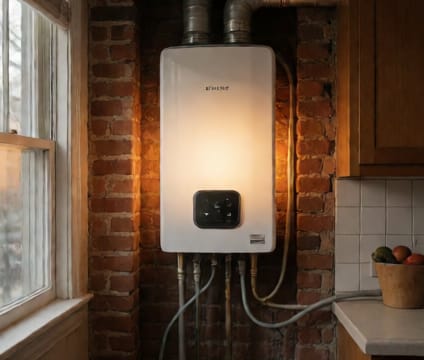
No hot water can stem from a failed heating element, thermostat issue, or ruptured tank. If your water heater is over 10 years old, replacement may be safer than repair. Gas water heaters require proper ventilation and carbon monoxide testing. Licensed plumbers inspect for corrosion, check venting integrity, and test pressure relief valves—critical in closed plumbing systems common in city apartments.