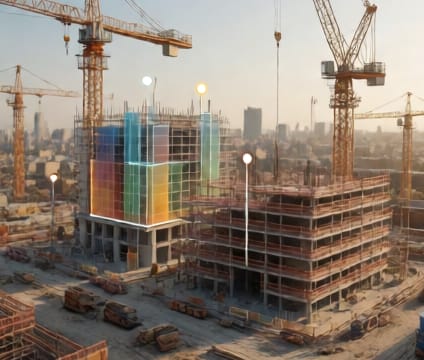
Completed State
Validate built outcomes with point cloud alignment and link assets to lifecycle maintenance plans.
Overlay as-built scans from drone or terrestrial LiDAR onto the final construction model to detect deviations. Use tolerance thresholds to flag structural or spatial discrepancies beyond acceptable build tolerances. This comparison provides objective evidence for close-out documentation and client handover.
Link verified elements to maintenance schedules, including inspection intervals, expected material lifespans, and replacement triggers. Assign responsibility for each asset to operational teams using built-in ownership tags. This bridge between physical and digital ensures accountability from day one of occupancy.
Use the time-series layer to compare as-built conditions against original performance goals, such as energy use or daylight autonomy over a full annual cycle. Teams adjust operational parameters in real time using verified geometry. This loop closes the feedback chain, turning built outcomes into learnings for future projects.