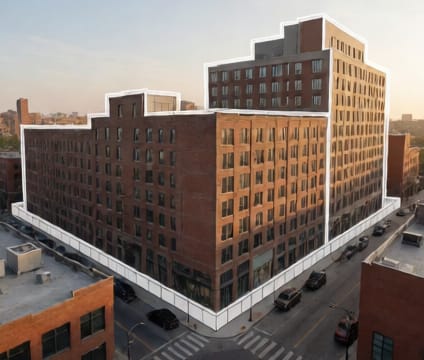
Adaptive Reuse
Coordinate structural retrofits, MEP upgrades, and occupancy growth across phased reuse timelines.
Teams import historic preservation standards and building condition assessments into a temporal structure model. Each renovation phase—seismic, mechanical, electrical—is assigned to specific time points with physical milestones, ensuring upgrades occur only after structural checks and before occupancy permits. MEP upgrades are sequenced around occupancy ramp-up, allowing simulation of load shifts and systems testing timing.
As-built records for original systems are annotated with retrofit readiness tags—like ‘suitable for heat pump integration after structural stiffening’. Preservation timelines are tied to permitting windows, while occupancy schedules are layered with real-time feedback from tenants or cultural tenants on usability. This helps avoid over-capitalizing on non-essential upgrades before occupancy is stable.
Collaborative annotations let structural engineers flag deferred maintenance items linked to specific seismic events or occupancy thresholds. MEP contractors note upgrade constraints such as ceiling height limits or fire rating requirements that affect phasing. Time-stamped reviews lock in design intent before moving to the next phase, creating a defensible record for regulatory sign-off.