Itinerary Template
Design your trip based on where you stay—not generic park loops—to minimize driving and maximize park access and rest time.
Cabin location drives daily logistics: staying near Gardiner means easy access to the North Entrance and Lamar Valley for dawn wildlife viewing, while West Yellowstone units put you minutes from Old Faithful and Grand Canyon of the Yellowstone. Start mapping your days from your lodging base instead of forcing yourself into an arbitrary 72-hour park loop. This avoids backtracking, saves fuel, and gives space for unplanned wildlife stops or rest breaks.
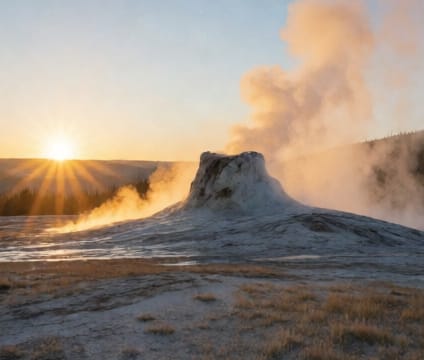
Build mornings around proximity to high-traffic zones—enter early to beat crowds and maximize wildlife sightings in the quieter hours. Afternoons can be reserved for less crowded areas relative to your base: if near West Yellowstone, consider the Bechler River corridor or Firehole Lake Drive instead of the crowded Grand Loop during peak hours. Evenings are ideal for nearby trails or hot springs, depending on season and accessibility.
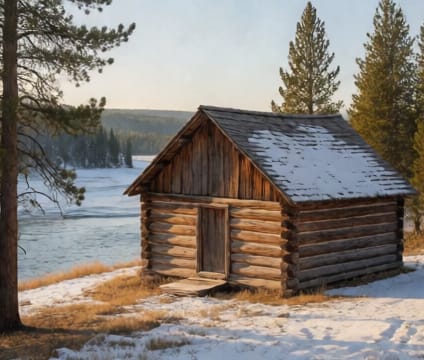
Align meals and activities with seasonal road access: In early season, Gardiner-based stays can explore the Northern Range year-round via the Lamar Valley while Mammoth is snowbound; by late spring, West Yellowstone opens access to key geyser basins first. Always check the park’s road condition page before locking in day-trip plans—some roads don’t open until late May or early June, making cabin location even more critical.