Barrel Log: What Oak Really Says
Oak doesn’t add flavor alone—it shapes texture, tannin, and aging potential through grain tightness, cooper’s craft, and how long the wine lives within it.
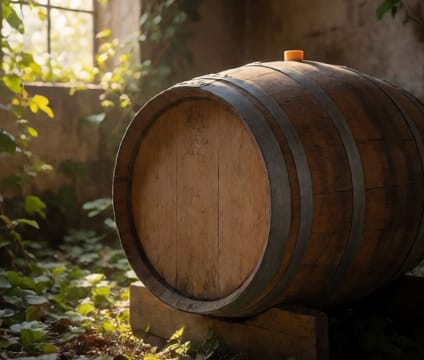
Barrels don’t speak in volume but in touch. French oak, especially from slow-growth forests, offers tighter grain and finer, silkier tannins than American oak’s broad, creamy spice. Toast level determines how much the wood contributes vanilla, baking spice, or char—light toast preserves fruit, medium adds warmth, heavy offers smoky depth. Each choice subtly edits the wine’s voice, not overwrites it.
Time in barrel matters as much as type: six months might round edges; fifteen can knit components deeply. Some winemakers age in concrete first, then shift to neutral wood to avoid oak imprint. Others use new oak sparingly, reserving it for the most structured lots. The goal is not oakiness, but harmony—the wood becoming background, not the melody.
When tasting, consider what the barrel did: did it soften acidity, integrate tannin, or contribute subtle complexity? A wine lifted by fresh citrus and stone fruit, with only a whisper of spice, likely aged in older or neutral oak. One with pronounced butter and toast may have seen new French or American oak. Understanding this helps predict how it will pair with food and evolve over time.