Cultural Courtyards
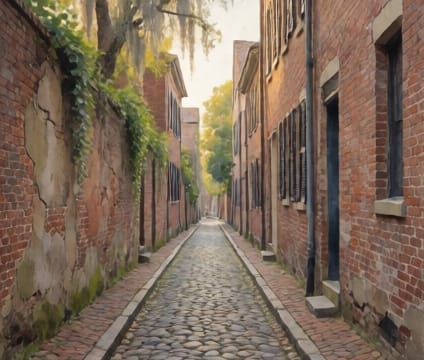
Behind iron gates and moss-draped walls lie shaded courtyards—some centuries-old, others restored—that host quiet gatherings, art studios, and whispered stories.
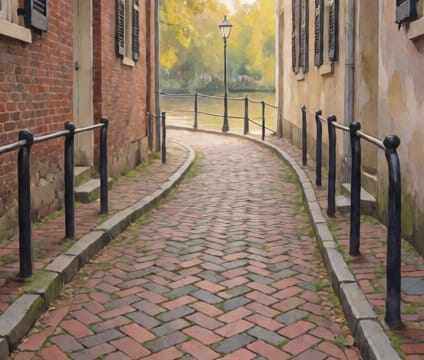
These private green oases cluster mostly in the Historic District, tucked behind homes, churches, and former commercial buildings on streets like East Liberty, West Broughton, and Gwinnett. Access is often through a low doorway, a key-code gate, or a narrow alley marked only by a rusted sign. The best ones feature flagstone paths, mature live oaks, and wrought-iron balconies overlooking seating nooks. Many were once private gardens for elite families, later adapted for communal or professional use by emerging cultural groups.
Some courtyards have stood for well over a century, surviving floods and fires; others were restored as part of neighborhood revitalization efforts. Look for subtle markers—plaques noting architectural styles, or carved stones referencing original owners or years of significant repair. They often host local book clubs, plein air painters, and small music rehearsals—informal gatherings rather than scheduled events.
While their existence is publicly known, the courtyards’ continued use relies on unspoken etiquette: knock before entering, keep voices low, and never photograph people without permission. Locals treat them like communal living rooms—valued precisely because they’re not advertised. Visiting most often requires an invitation or prior arrangement, making presence there a quiet honor rather than a casual stop.