 regularperiods.com
Cervical mucus quality
Cervical mucus changes in amount and texture throughout the cycle, offering clues about fertility and hormonal health.
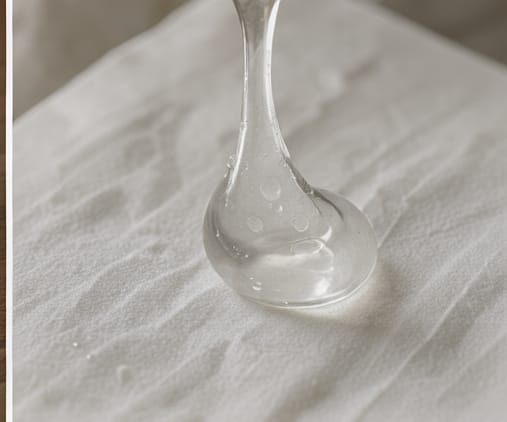
Cervical mucus is produced by glands in the cervix and responds to rising estrogen levels in the first half of the cycle. As ovulation approaches, mucus becomes clearer, more slippery, and stretchy—often compared to raw egg whites—creating a favorable environment for sperm to survive and travel. After ovulation, progesterone dominates, and mucus typically becomes thicker, cloudier, or drier.
Tracking mucus daily helps identify the fertile window: the days leading up to and including ovulation when pregnancy is most likely. The appearance of fertile-quality mucus—wet, clear, stretchy—is a strong biological sign that ovulation is imminent or has recently occurred. Patterns may vary between individuals but generally follow hormonal changes.
Mucus observations are subjective and require careful self-checking, often using toilet paper or fingers to assess texture and appearance. Consistent tracking over time allows users to recognize their personal mucus pattern and compare it to cycle phase, aiding in planning conception or avoiding pregnancy. Changes in color, odor, or consistency unrelated to cycle phase may indicate infection and warrant medical evaluation.
Practical tips
- Check mucus daily, especially mid-cycle.
- Note texture: dry, sticky, creamy, or egg-white.
- Avoid douching or using lubricants that interfere.
- doctor:
General information, not medical advice. More on this from MedlinePlus (US National Library of Medicine).
More in Pattern Tracking

First day of bleeding
Marking the first day of full menstrual flow begins the cycle clock and helps track cycle length and regularity.
Read more →
Basal body temperature
Basal body temperature is the lowest resting body temperature, typically measured first thing in the morning, and helps identify
Read more →