 petrochemicalnews.com
Corrosion-Resistant Alloy Installations
Deployment of specialized alloys in critical process piping has reduced unplanned downtime due to degradation while extending inspection intervals.
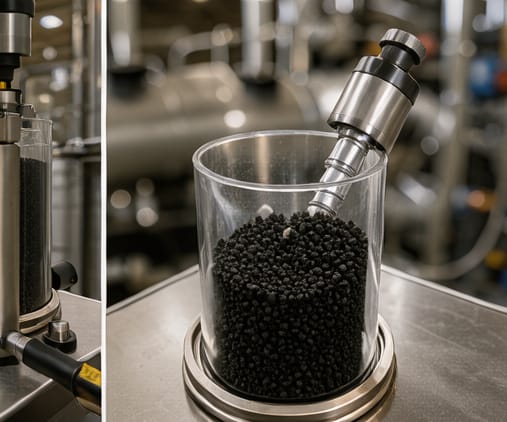
Engineers have substituted standard carbon steel with nickel-iron-chromium alloys in high-temperature acid service sections. These materials resist localized attack under fluctuating chloride and hydrogen partial pressures. Installation follows strict welding protocols to preserve microstructure integrity at joints.
Non-destructive testing confirms minimal surface degradation after one year in service, compared to measurable wall thinning in adjacent control sections. Erosion-corrosion hotspots show negligible metal loss at velocities up to design limits. Metallurgical exams show no or phase instability.
Asset integrity management now uses this data to adjust inspection scheduling. Inspection frequencies for related components have been extended by up to 30% without compromising safety margins. Real-time corrosion monitoring probes support predictive maintenance triggers.
Long-term projections indicate a 40% reduction in annual corrosion-related maintenance hours. The alloys also support higher process severity within existing design temperatures, offering margin for future throughput increases. This upgrade path avoids major turnaround interruptions.
Key takeaways
- Effective resistance to localized acid corrosion
- Extended inspection intervals and maintenance intervals
- Support for higher severity operation without rerating
More in Tech Watch
New Ziegler-Natta Catalyst Trials
Industrial trials of next-generation Ziegler-Natta catalysts show improved activity and stereoselectivity under standard
Read more →
Hydrogenation Unit Efficiency Gains
Upgraded hydrogenation reactor internals and controlled feed preheat have demonstrably increased throughput and energy efficiency
Read more →