 petrochemicalnews.com
Chemical Recycling Plant Commissioning
Commissioning new chemical recycling facilities requires rigorous pre-startup reviews and performance validation.
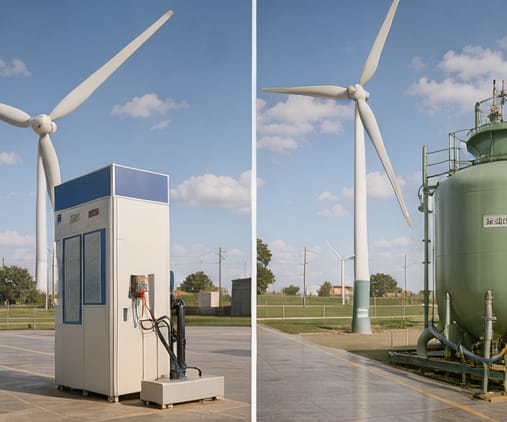
Commissioning a chemical recycling plant begins with mechanical and electrical completion checks, followed by pre-commissioning activities like pipeline flushing and system leak testing. Process hazard analyses are reviewed, and safety interlocks are verified before feed introduction. These steps ensure operational readiness and mitigate early-stage risks.
During commissioning, operators test process variables under controlled conditions, gradually scaling to target throughput. Key performance indicators—such as yield consistency, energy demand per tonne, and off-gas composition—are monitored closely. Deviations from design parameters trigger corrective actions before full commercial operation.
Environmental controls are validated alongside process systems, including vapor recovery units and wastewater pretreatment steps. Emissions and effluent profiles are assessed against permit limits, and monitoring systems are calibrated in real-time. This dual validation supports both operational and regulatory compliance from day one.
Documentation is critical, with commissioning logs forming part of the operational record. Training for emergency response, maintenance protocols, and change management procedures are finalized during this phase. Successful commissioning culminates in handover to operations, where steady-state performance is evaluated before contractually defined guarantees are confirmed.
Key takeaways
- Commissioning validates safety systems before feed introduction.
- Performance validation occurs incrementally under controlled loads.
- Environmental compliance checks run parallel to process testing.
- Comprehensive documentation supports ongoing regulatory reporting.
More in Sustainability Tracking
Scope 1 Emissions Reporting Frameworks
Consistency and comparability in direct emissions reporting remain challenges despite evolving global standards.
Read more →
Bio-Based Ethanol Route Evaluations
Evaluating bio-based ethanol production pathways requires holistic analysis of feedstock, process, and end-of-life impacts.
Read more →