 petrochemicalnews.com
Wastewater Permit Renewal Guidelines
Permit renewals for wastewater discharge require updated pretreatment data, flow monitoring, and toxicity assessments to align with current effluent guidelines.
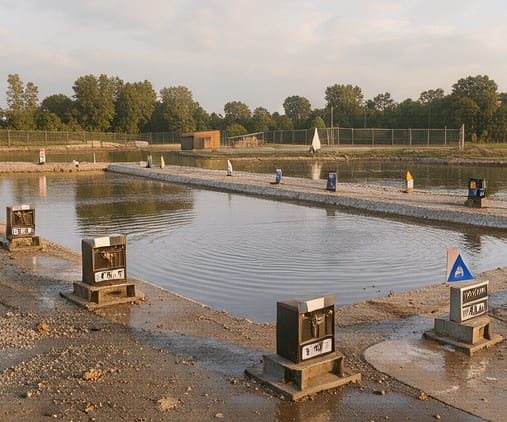
Wastewater permit renewals follow a multi-stage review cycle, often starting nine to twelve months before expiration. Applicants must submit pretreatment records, effluent test results, and facility process summaries. Operators are expected to demonstrate continued adherence to BPT, BCT, and BAT standards, with newer facilities needing to show technological feasibility of effluent limitations.
Local POTW consent decrees and discharge permits may impose additive constraints, requiring joint submissions. Monitoring frequency for parameters like COD, BOD, TSS, and specific toxics must match the most current method requirements. Offline sampling protocols now require chain-of-custody documentation and calibrated instrumentation records.
Facilities with zero-discharge claims must verify system integrity through independent audits. Stormwater runoff and containment berm integrity are evaluated to ensure no unintentional conveyance occurs. Spill prevention and control plans are reviewed alongside wastewater operational logs.
Outdated permit conditions can lead to consent decrees or civil penalties. Operators should initiate internal assessments 12 months prior to renewal, coordinating environmental, legal, and operations teams. Updates to process streams or feedstocks necessitate early re-evaluation of applicable limitations.
Key takeaways
- Renewals begin 9–12 months before expiration; proactive internal reviews are critical.
- All monitoring must use EPA-approved methods and maintain full documentation.
- Zero-discharge claims require independent audits and stormwater spill controls.
More in Regulatory Compliance
Methyl Tertiary Butyl Ether Restrictions
Regulators are tightening MTBE use in fuels due to groundwater contamination risks, prompting refiners to reformulate blends
Read more →
VOC Emissions Reporting Deadlines
EPA and state agencies enforce annual VOC reporting with strict submission windows; delays risk penalties and compromise air
Read more →