 petrochemicalnews.com
Hydroprocessing Unit Downtime Optimization
Reducing scheduled maintenance windows through proactive catalyst management, precise isolation procedures, and streamlined turnaround workflows.
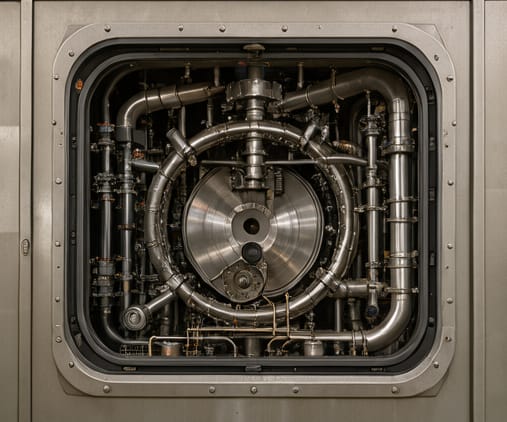
Hydroprocessing units—hydrotreaters and hydrocrackers—require periodic shutdowns for catalyst replacement or reactor inspection. Downtime optimization begins during planning: detailed debottlenecking assessments identify how much capacity can be gained post-turnaround. This informs how much time to allocate to catalyst loading, sealing, or mechanical upgrades.
Pre-isolation procedures reduce lost time. Depressurizing and cooling must follow strict ramp rates to avoid stress damage. Nitrogen purging protocols are refined to ensure hydrocarbon levels drop below safe thresholds before opening vessels. Checking valve integrity during cooldown helps prevent last-minute delays.
On-site coordination is critical. Maintenance crews need access to up-to-date as-built drawings and previous turnaround logs. Overlapping tasks—like reactor inspection alongside catalyst handling—cuts calendar time without sacrificing safety or quality. Clear handoffs between disciplines prevent rework and reduce idle periods.
Post-shutdown commissioning includes careful start-up sequencing. Reactor heating rates, sulfidation schedules, and feed introduction must align with unit design limits. Early detection of leaks or instrument errors during initial pressurization avoids later interruptions. Documentation continuity supports smoother subsequent turnarounds.
Key takeaways
- Pre-align maintenance scope with turnaround objectives
- Standardize isolation and purging procedures
- Overlap compatible maintenance tasks
More in Refinery & Operations
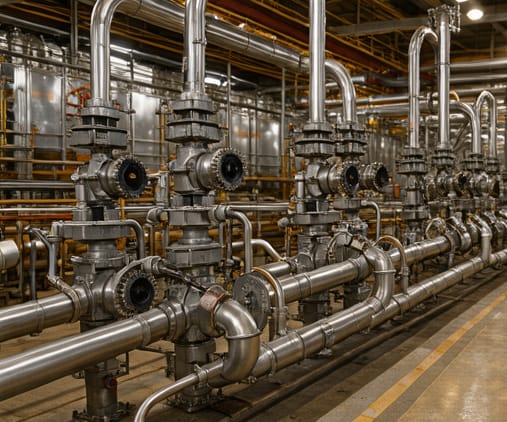
Naphtha Cracker Efficiency Adjustments
Optimizing furnace severity, coil temperatures, and residence time to maximize ethylene yield while minimizing fouling and energy
Read more →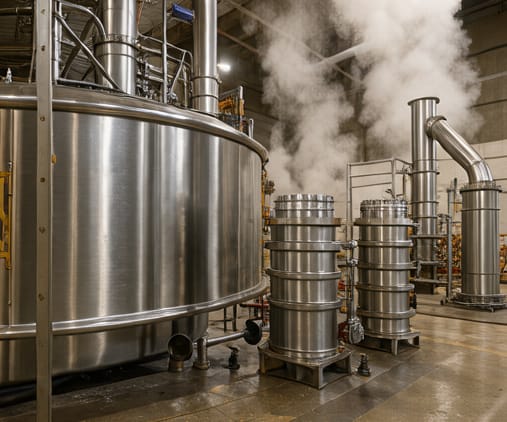
Coke Drum Cycle Time Improvements
Shortening transfer line fills and optimizing preheat cycles to increase drum throughput while maintaining coke quality
Read more →