 petrochemicalnews.com
Hydrogen Co-Firing Pilot Outcomes
Blending green or blue hydrogen into fuel gas systems for fired heaters demonstrates technical viability but reveals operational trade-offs in flame stability and NOx control.
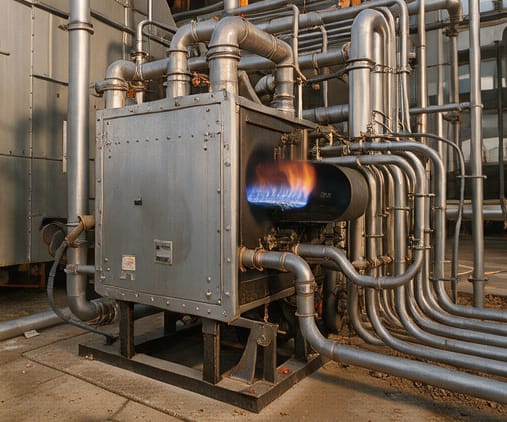
Co-firing hydrogen in process heaters has been tested across multiple configurations, with hydrogen substituted at 5–20% by energy content. Results show stable operation in many cases, but flame behavior shifts—leading to higher flame temperatures and narrower operability windows under high hydrogen ratios.
Emissions profiling indicates lower CO₂ but increased NOx formation, demanding adjusted combustion air staging or selective catalytic reduction support. Flame imaging and online emissions monitoring help operators identify instability thresholds and optimize burner modifications for mixed-fuel operation.
Fuel gas system modifications often arise: hydrogen’s high diffusivity can increase leak risks and require upgraded gasketing and sealing materials. Storage, metering, and blending equipment must meet stringent purity and pressure control standards to prevent operational upsets.
Pilots underscore that success depends on real-time control logic, dynamic burner tuning, and pre-combustion planning. Full conversion would require hardware upgrades, but even modest co-firing delivers meaningful carbon savings and valuable operational data for future scale-up.
Key takeaways
- Feasible at low-to-moderate blends
- Increases NOx and demands emissions controls
- Requires fuel gas system upgrades
More in Energy Transition
Blending Renewable Naphtha into Crude Units
Integrating bio-derived naphtha into conventional crude distillation units offers near-term CO₂ reduction without major capital
Read more →
Electrification of Process Heating Systems
Replacing fossil-fired heaters with electric alternatives offers path to deep decarbonization but demands careful engineering
Read more →