 petrochemicalnews.com
Digital Twin Implementation in Crude Units
Synchronized simulation models that mirror real-time unit behavior to anticipate upsets, guide operator decisions, and test scenarios without disrupting operations.
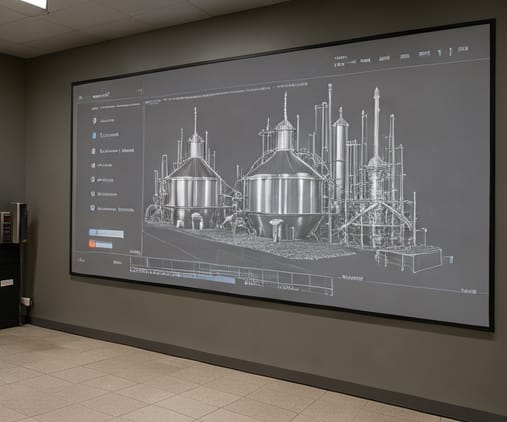
A digital twin for a crude distillation unit integrates process data with physics-based modeling to replicate dynamic responses under varying feed qualities and operating conditions. It continuously updates using live sensor inputs, enabling operators to compare actual versus predicted trends and detect early deviations before they escalate.
Implementation begins with building a high-fidelity model calibrated to historical runs and validated against key performance indicators such as yield split and energy use. Integration with control systems allows for scenario testing—evaluating feed rate changes, column pressure adjustments, or reflux ratio shifts—without affecting physical operations.
Once operational, the twin serves as a training platform for new staff and a decision-support tool during startups, shutdowns, or emergency events. Simulated backups and what-if analyses help refine procedural steps, reduce human error, and shorten recovery windows when deviations occur.
Long-term, the digital twin becomes part of a closed-loop feedback system: its predictions inform tuning of control algorithms and help calibrate soft sensors. This enhances forecasting accuracy for yield, energy, and emissions—supporting both operational efficiency and sustainability goals.
Key takeaways
- Synchronized to live process data
- Enables safe scenario testing and training
- Improves forecasting for yields and emissions
More in Process Innovation
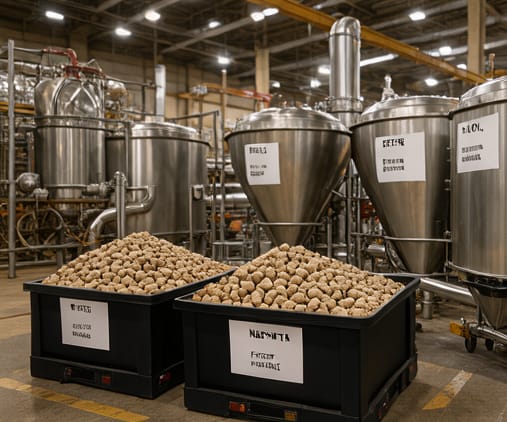
Catalyst Lifetime Extension Methods
Proven operational adjustments and maintenance strategies that prolong catalyst activity and delay replacement cycles across
Read more →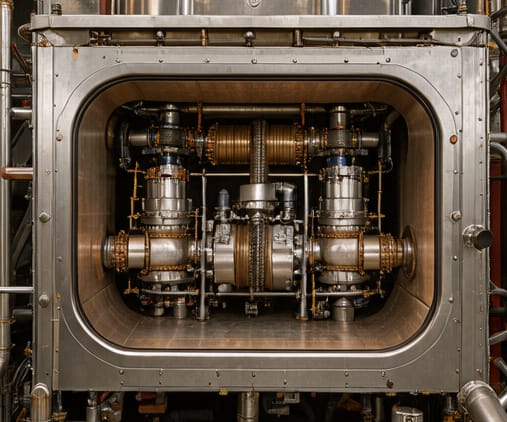
Low-NOx Burner Retrofits in Fireboxes
Upgraded burner designs and combustion tuning practices that cut nitrogen oxide emissions while maintaining reliability and heat
Read more →