Photo Essays
A living diary of one city block through the year, revealing seasonal rhythms in light, greenery, and daily rituals often invisible from the street.
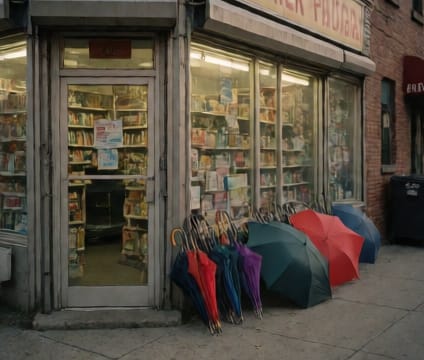
Photographic essays in this series trace a single block over time—spring snowmelt on fire escapes, summer shadows lengthening across stoops, autumn leaves piling near manhole covers, winter frost etching windowpanes. These are not staged snapshots but patient observation: how light hits a particular lamppost at 4 p.m. in December, how a single tree’s canopy opens and closes across months. The project invites photographers to return monthly to capture subtle shifts—the same stoop draped in laundry in July, bare and sunlit in January.
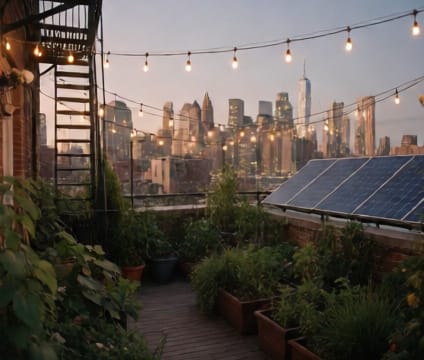
Hidden courtyards are especially compelling: shared green oases behind brownstones, synagogues, or former stables now converted into residences. Access is often by agreement or timing—many require knocking on a back door or arriving just as residents step out with coffee. These spaces reflect the rhythm of the block—weekend barbecues in June, quiet mornings with a single gardener pruning in February, the way snow accumulates unevenly around old iron gates.
Contributors are expected to submit both wide establishing shots and intimate close-ups, with brief captions noting date, weather, and observed behavior—what people were doing, where their eyes fell, how the light moved. The goal is not aesthetics alone, but narrative continuity across seasons, helping readers anticipate change and understand why a certain stoop always draws a gathering, or why a courtyard fills with laughter at specific times. This builds a kind of temporal literacy for navigating neighborhoods across months.