Fort Greene
Brownstone-lined streets sloping toward the park, where jazz drifts from basement studios and weekend farmers' markets anchor the block.
Fort Greene’s topography rises from Fort Greene Park, Brooklyn’s oldest public park, with streets angling upward in a series of gentle slopes. The neighborhood is defined by its preserved 19th-century brownstones, many with stoops, iron railings, and intricate stoop-front details. Park-side streets like DeKalb Avenue and Washington Park offer tree-canopied walks, while backstreets like Greene and Putnam Avenues reveal quieter stretches. Public transit includes the G, C, and S trains, plus several bus lines, making it accessible without the Manhattan rush.
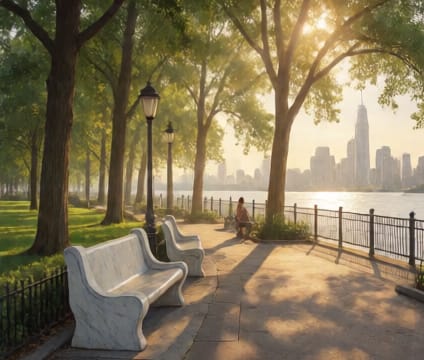
Weekends transform the neighborhood—Fort Greene Park hosts a beloved farmers' market, street fairs, and open-air performances, while jazz spills from rehearsal studios in converted basements and lofts. Many residents walk to the park for morning runs, yoga, or weekend picnics under the bandshell. Local businesses thrive on loyal followings: neighborhood cafes, bookshops, and small galleries maintain consistent hours and rely on foot traffic. Community gardens and volunteer-led cleanups keep public spaces vibrant year-round.
Fort Greene balances historic preservation with creative energy, where restoredfacades shelter contemporary life. Residents include artists, academics, and long-time families, contributing to a mix of quiet residential calm and cultural vibrancy. The park serves as both social hub and geographical anchor—running from Atlantic Avenue to Fulton Street, it connects streets into a cohesive whole. For those who value walkability, architectural charm, and a sense of communal rhythm, Fort Greene offers steady rhythm rather than frantic pace.