Seasonal Reflections
Light, sound, and movement shift with each season—not just weather, but how life organizes itself across the city’s physical frame.
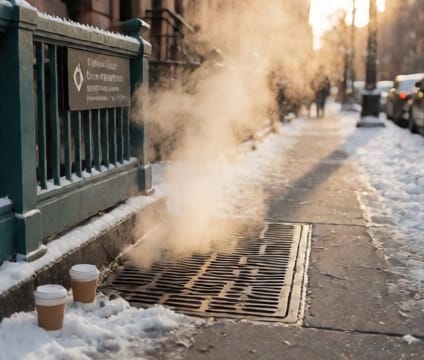
In winter, the low sun hits row houses at precise angles, casting sharp shadows that outline brickwork and fire escapes in unexpected relief. Light lingers differently in narrow alleys versus wide avenues, affecting how people move through space—slower on icy stoops, faster on open stretches where visibility improves. The way windows reflect or absorb light reveals building age and orientation, and even which families keep curtains open all day.
Summer heat alters behavior in subtle but consistent ways: conversations shorten, steps lengthen, and public seating fills near water features or shaded park zones. People adjust their routes to avoid sun, timing commutes to avoid midday heat, and gravitate toward buildings with natural cross-breezes. The city’s architecture—narrow lots, fire escapes, stoops—becomes part of a survival strategy, where shade is as valuable as shelter from rain.
Spring brings a visible shift in movement as sidewalks clear and outdoor spaces reactivate. People linger on corners longer, parks refill before official opening hours, and doorways that were shut in winter open early. Movement slows on some blocks as neighbors reclaim stoop space, while others speed up near water sources or newly shaded transit stops. Light returns with rhythm, aligning daily habits with increasing daylight hours and shifting wind patterns.