Dining Styles
How food is served—counter, family-style, plated—reveals neighborhood priorities, from speed to sociability.
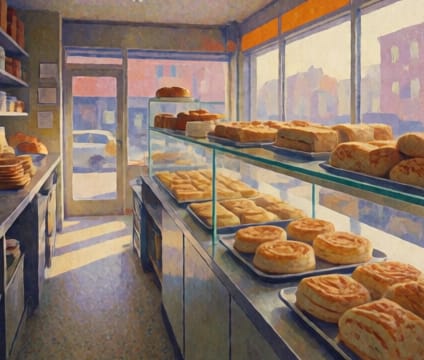
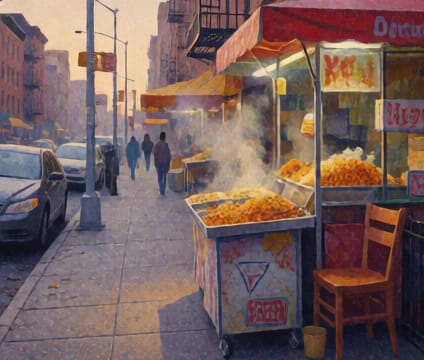
In densely populated, high-traffic neighborhoods like Midtown or the Garment District, counter-service dominance reflects turnover speed and spatial constraints. Customers order, pay, then grab food to go or find a seat—no waitstaff, no reservations, no frills. This model thrives where time is scarce and space is tight, with many serving grab-and-go fare like sandwiches, wraps, or simple noodle bowls. Even some casual sit-down spots in these areas mirror this efficiency with pre-set menus and quick pacing, accommodating Lunch breaks that are brief.
In neighborhoods with strong family or communal traditions—like parts of Brooklyn, Queens, or the Bronx—family-style service remains vital. Dishes arrive in large platters or bowls, passed around tables, encouraging sharing and prolonged interaction. This style supports multi-generational dining, where elders and children eat together, and decisions are made collectively rather than individually. Menus often feature overlapping plates—think dim sum, paella, or mezze—where the emphasis is less on personal portions and more on abundance and participation.
Some neighborhoods blend styles for rhythm and space efficiency: a bar might serve counter-style drinks and small plates by day, then shift to full table service at night. In immigrant-owned spaces, this evolution often reflects adaptation—opening with counter service to attract lunch crowds, then expanding for evening gatherings. Even in fine-dining neighborhoods, many spots offer lounge seating or bar-only options for lighter, quicker visits. This hybrid approach acknowledges that New Yorkers don’t choose one pace—they need flexibility across the same meal.