Seasonal Threshholds
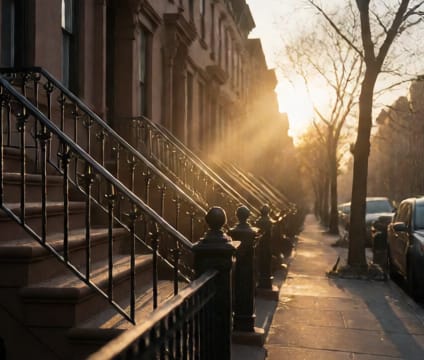
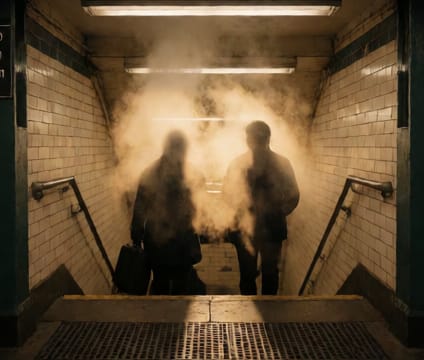
Streets in New York shift their purpose with the turning season, revealing how public space adapts daily—from picnics to pickups to dinner light.
In parks like Prospect Park’s Long Branch or Hunter’s Point South, the same green space transforms hourly: by noon, families spread blankets under elms; by 3 p.m., backpacks dot benches as school groups gather; by 7 p.m., string lights flicker as diners spill onto adjacentsidewalks. These are not random overlaps but synchronized transitions—city rhythms calibrated to sun angle, school bell, and reservation lists.
In residential zones, sidewalks do double duty as after-school hangouts by 2:30, then become quiet corridors by 9 p.m., with only the occasional window light glowing. In summer, street corners host impromptu markets by day and chess games by dusk. The same crosswalk serves commuters, cyclists, and strollers, then stills for night watch.
Understanding these thresholds helps time a walk or decide when to sit outside. If you arrive when picnics clear and tables set for dinner, you see how the city layers its uses—no single use owns a place, just the right to pass through or linger at the moment’s permission.