Threshold Moments
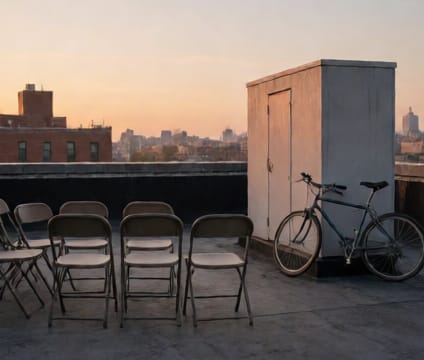
The minute a parade route empties—street sweepers arrive, petals scatter, and a lone chair holds the echo of what just passed.
Threshold moments occur just after a major public gathering disperses—when foot traffic flattens, sound drops, and the street reclaims its own rhythm. Street sweepers roll in moments later, their machines humming over confetti, petals, and discarded signs. A single chair left standing becomes a silent archive. These windows are fleeting and unpredictable, dependent on crowd flow and cleanup crew schedules.
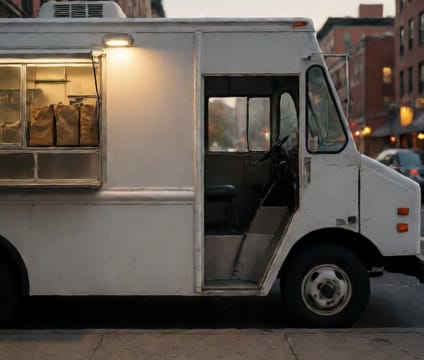
For residents and planners, recognizing these thresholds helps anticipate disruptions and opportunities. Noise returns slowly, with delivery trucks and buses picking up where the march left off. Streets that felt communal seconds ago now hum with routine again. The residue—petals pressed into grout, banners folded and forgotten—invites reflection on impermanence and intention.
Threshold moments are especially useful for those studying urban transition—how a space moves from celebration back to commerce, or how a neighborhood balances joy with maintenance. Photographers, researchers, and even diplomats note how quickly order reasserts itself, yet the traces linger: paint smudges, chalk ghosts, shadows where banners hung all afternoon.