 nature.tv
Rhinoceros patrols at Night
Trained rangers conduct low-impact night patrols to monitor and protect critically endangered rhinos from poaching threats.
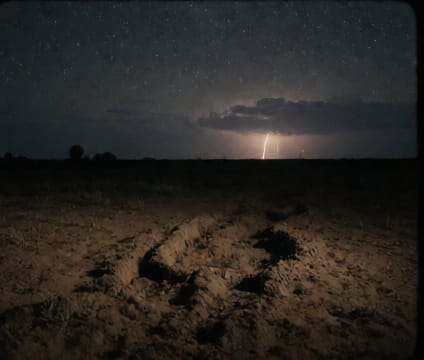
Nighttime is when rhinos are most active and when poaching attempts often occur. Patrol teams move quietly through terrain, using thermal imaging and low-level lighting to avoid disturbing the animals while gathering essential data.
Each patrol follows pre-mapped routes based on known rhino movement patterns and habitat use. Teams maintain safe distances, noting individual behaviors, group compositions, and signs of distress or injury.
Patrols are designed to minimize environmental impact, using non-invasive techniques and avoiding changes to natural pathways. Local community members often participate, blending traditional knowledge with modern monitoring tools.
The presence of disciplined, well-equipped teams serves as a deterrent to poachers while contributing long-term data. This information helps refine protection strategies and supports broader habitat management decisions.
Key takeaways
- Night patrols deter poaching while minimizing disturbance.
- Thermal imaging supports discreet wildlife monitoring.
- Local involvement enhances patrol effectiveness and trust.
More in Conservation
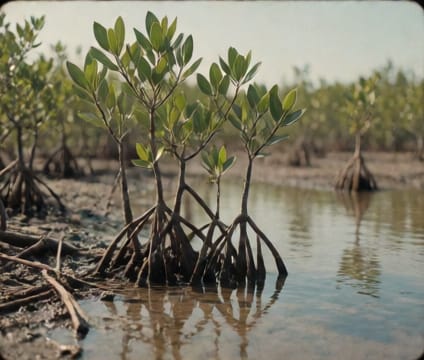
Mangrove Restoration in Southeast Asia
Community-driven efforts replant native mangroves to rebuild coastal buffers against erosion and storm surges.
Read more →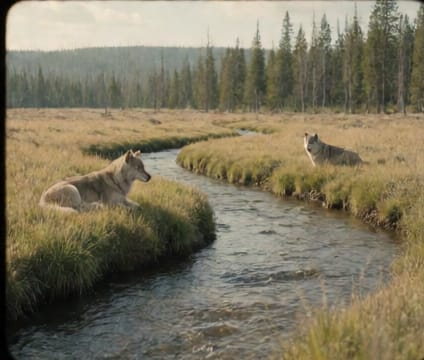
Wolf Reintroduction in Yellowstone
Strategic wolf reintroduction restored a keystone predator, triggering cascading ecological benefits across the park.
Read more →