 nature.tv
Coral Polyps in Symbiosis
Tiny soft-bodied polyps build vast reef structures through a vital partnership with microscopic algae that provides energy and color.
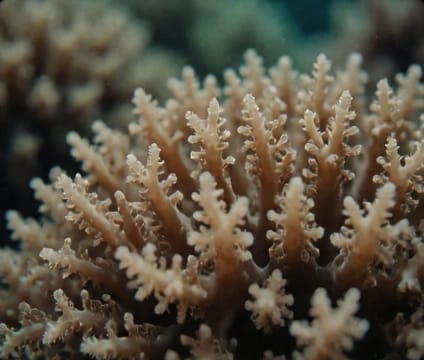
Coral polyps are delicate, translucent animals that extend tentacles at night to capture plankton. By day, they retract into hard limestone skeletons they secrete over generations. Their survival depends on a silent partnership: trillions of single-celled algae, called zooxanthellae, live inside their tissues. These algae use sunlight to produce sugars, sharing up to ninety percent with their host in exchange for shelter and carbon dioxide.
The algae’s photosynthesis fuels rapid calcification, enabling polyps to lay down new layers of calcium carbonate each year. This slow, steady deposition builds massive reef frameworks over centuries. Colorful patterns on reefs come from the algae’s pigments and reflect light efficiently, maximizing energy capture in nutrient-poor tropical waters. Without the symbiosis, most reef-building corals could not thrive in clear, shallow seas.
Coral polyps demonstrate remarkable coordination within a colony. While each polyp is an independent organism, they share nutrients and nerve networks, acting in near-unison to extend tentacles or contract against threats. Some species host multiple algae strains, adjusting partnerships as conditions change. This flexibility helps them endure shifts in light, temperature, and salinity over time.
Reefs created by polyp activity support nearly a quarter of marine species despite covering less than one percent of the ocean floor. The intricate architecture they build offers shelter, breeding grounds, and feeding areas for fish, invertebrates, and algae. Their success hinges on stability—prolonged stress disrupts the symbiosis, leading to bleaching and potential collapse.
Key takeaways
- Polyps build reefs through calcium carbonate secretion.
- Zooxanthellae algae provide energy via photosynthesis.
- Symbiosis enables reef growth in nutrient-poor waters.
More in Habitats
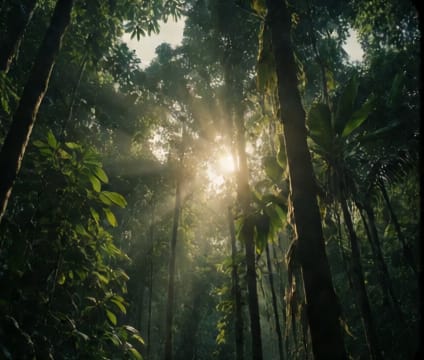
Amazon Canopy at Dawn
As light filters through towering kapok trees, the rainforest awakens with birdsong, insects, and primates moving through
Read more →
Sahara Dunes at Sunset
As light fades across rolling dunes, winds sculpt silica grains into ever-changing patterns, revealing how life endures and moves
Read more →