Overtown
Overtown holds a deep lineage of Black Miami resilience, where historic churches, murals, and grassroots kitchens keep its spirit alive amid gentrification.
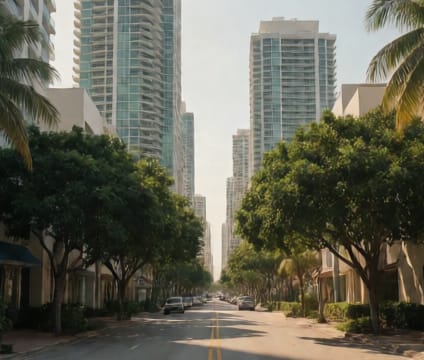
Overtown’s streets hum with echoes of historic venues once central to Black entertainment during segregation. Walk any weekday afternoon and you’ll spot residents gathering near NW 2nd Avenue, sharing stories under live oak canopies. The neighborhood’s layout—narrow blocks hemmed by the Miami River and highways—contributes to its tight-knit feel, where knowing your neighbor isn’t optional.
Community kitchens and cultural spaces like the Overtown Historic Folklife Village anchor daily life, offering soul food, art workshops, and youth programs. These spaces thrive on volunteer energy rather than institutional scale, creating intimacy and adaptability. The smell of fried chicken or red rice often drifts from shared spaces where elders prep meals before events.
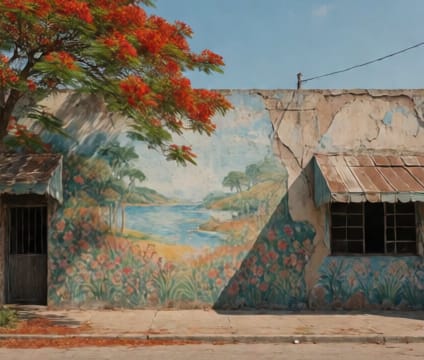
Murals painted over older graffiti now line NW 2nd and 3rd Avenues, reflecting both pride and tension—some honor civil rights leaders, others speak to displacement. The rhythm here isn’t frantic like Downtown; it’s measured, deliberate, shaped by history, resistance, and care. Locals navigate it by foot or bike, keeping pace with its slow, steady pulse.