 ittrainingcertification.com
Optimize System Performance and Reliability
Improve system efficiency and uptime by analyzing bottlenecks and applying scalable tuning strategies.
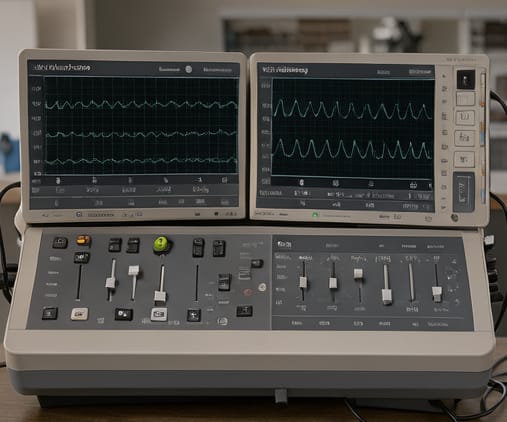
Start by establishing performance baselines using standard metrics like CPU utilization, memory usage, disk I/O, and network throughput. Monitor over representative workloads to capture normal patterns and identify deviations. Use historical data to distinguish between temporary spikes and real degradation, ensuring improvements target actual problems rather than noise in the data.
Once baselines are set, profile system behavior to locate resource contention points. Identify processes that consume excessive CPU, memory, or disk access. Apply targeted tuning—such as adjusting thread pools, optimizing data structures, or redistributing workloads—while measuring changes against baseline. Avoid over-tuning; small, incremental adjustments with validation ensure stability.
Key points
- Establish baseline metrics using standard tools
- Profile and isolate resource bottlenecks
- Apply targeted tuning with iterative validation