Emergency Response
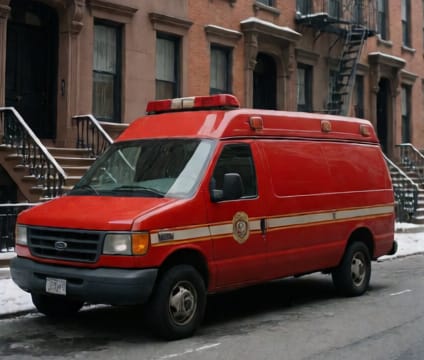
Immediate help for floods, gas leaks, burst pipes, and severe drain backups that threaten property or safety.
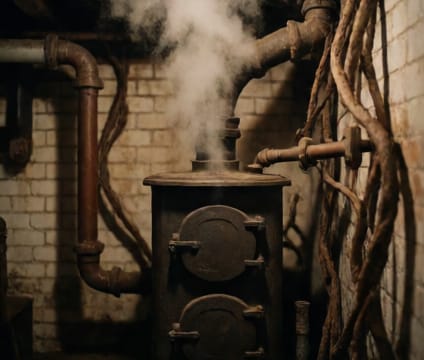
When a pipe bursts or a gas line smells like rotten eggs, seconds count. In older buildings with galvanized steel or cast iron, pressure changes or seasonal freezing can trigger sudden failures. First responders prioritize shutoffs, water extraction, and hazard mitigation before repairs begin—minimizing secondary damage like mold or structural weakening. Time is critical, especially in multi-unit dwellings where water spreads quickly through shared walls and floors.
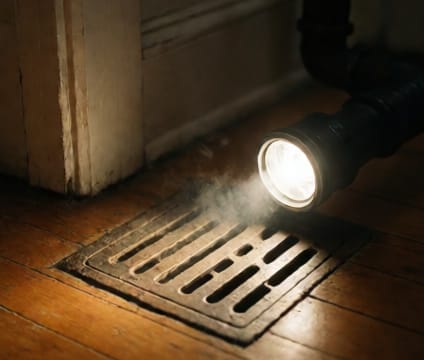
Gas odor leaks require immediate evacuation and utility coordination. Professional plumbers verify source locations with calibrated detectors, not just sniff tests, especially near foundations where leaks can linger unnoticed. Boston’s high groundwater table and aging mains increase failure risk in winter, so having a vetted specialist on speed-dial removes delay and prevents misdiagnosis. Quick response also helps insurance claims hold up—timely documentation matters.
Sewer backups in basement units are common in areas with combined sewer overflows. Professionals assess whether it’s a local clog or city-system issue before clearing lines—avoiding costly missteps that breach health codes. They use sealed containment, HEPA filtration, and antimicrobial treatments to meet sanitation standards. Don’t attempt DIY fixes that could push debris deeper or spread contaminants through HVAC ducts in tight urban homes.